
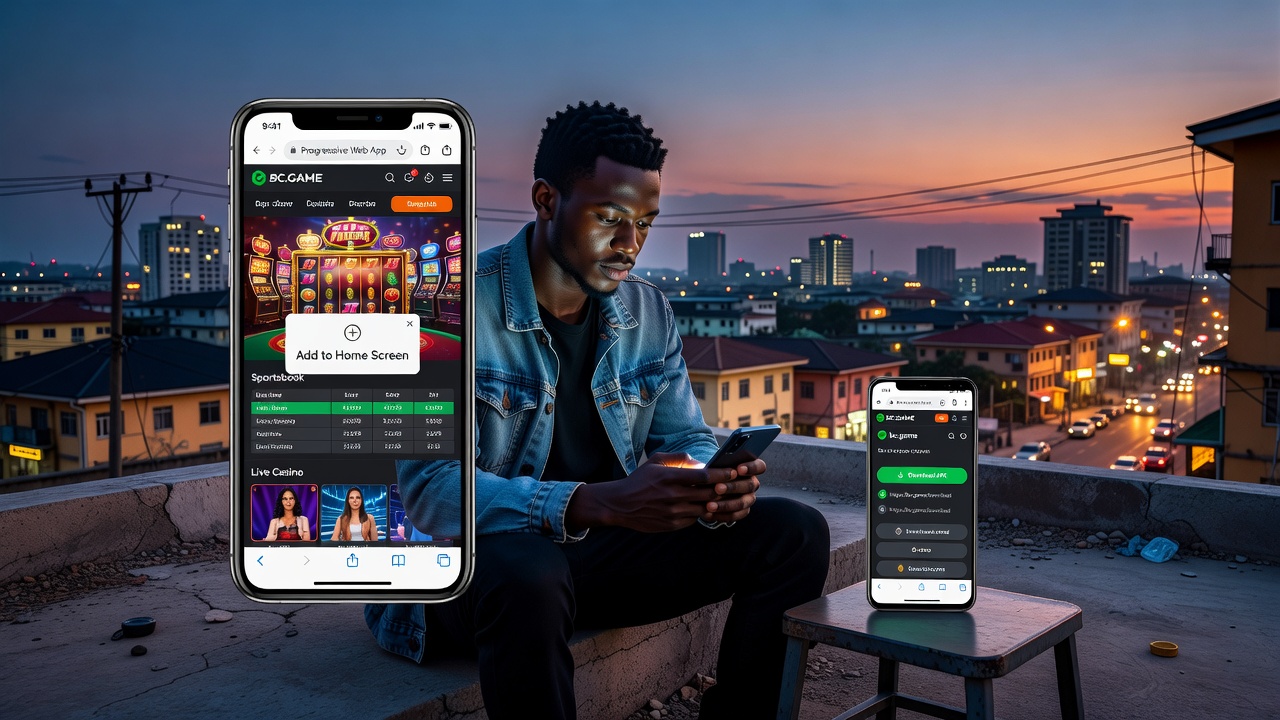
Offshore crypto casinos have become a fixture of Nigeria's online gambling landscape, and BC.Game is one of the more visible examples. Because the operator holds a licence issued in Anjouan, Union of Comoros, rather than one from Nigeria's own regulatory framework, and because major app stores generally restrict gambling products, the platform relies on mobile web technology and direct APK distribution to reach Nigerian users. That distribution method matters as much as the product itself, since it shapes how safely people actually reach the platform.
Why Offshore Licensing Changes the User's Responsibility
BC.Game's terms identify Twocent Technology Limited, based in Belize, as the operating entity, with oversight coming from an Anjouan licence. This is a common structure among crypto-oriented betting and casino platforms: Anjouan and similar jurisdictions issue licences with lighter regulatory overhead than, say, Malta or the UK, which lets operators move faster but places more of the compliance burden on the player. There is no Nigerian regulator standing behind this licence. That means age verification, dispute resolution, and consumer protection standards are whatever the offshore licence and the operator's own terms specify - not what Nigerian law would otherwise require of a locally licensed operator. Users should treat this distinction as a starting point for due diligence, not a technicality to skip past.
The App Store Gap and Why PWAs Fill It
Google and Apple both apply strict rules to real-money gambling apps, and many offshore operators simply don't clear those bars in every region. BC.Game's answer is the Progressive Web App: a Home Screen shortcut built from the mobile browser that behaves like an installed app without ever touching an app store. On iPhone, this is effectively the only sanctioned route, done through Safari's "Add to Home Screen" function. On Android, users get a second option - a direct APK download served from inside the official site itself. The distinction is important because APK files have become a common vector for fraud across the betting sector generally; fake "casino app" downloads circulating outside official channels are a known source of credential theft and malware. Restricting installation to links found only within the verified BC.Game domain is the single most effective safeguard available to users here.
Security Habits Matter More Than the Platform Itself
Once installed, the account-security basics carry more weight than most users assume. Two-factor authentication, automatic device time synchronisation, and careful attention to crypto network selection during deposits and withdrawals all reduce the chance of lost funds or lockouts - not through any special feature of BC.Game, but because these are the same safeguards that matter across any crypto-enabled platform. Sending USDT on the wrong network, for instance, is an irreversible and entirely self-inflicted error, unrelated to the operator's licensing or odds.
Reading the Product Through a Compliance Lens
Functionally, BC.Game bundles sportsbook, live casino, and fast "Originals" games into one crypto-first wallet, a model increasingly common among operators chasing a global, bank-agnostic audience. For Nigerian users, the appeal is obvious: minimal friction, mobile-first design, crypto rails that bypass some local banking restrictions. But none of that changes the underlying consumer-protection picture. An offshore licence is not the same as local regulatory accountability, betting and casino games remain activities with structural house edges, and no amount of interface polish changes the odds. Anyone engaging with platforms like this should treat it as entertainment with real financial risk, verify licensing claims directly on the operator's own site before transacting, and apply the same scepticism to crypto-based gambling that they would to any unregulated financial product.