
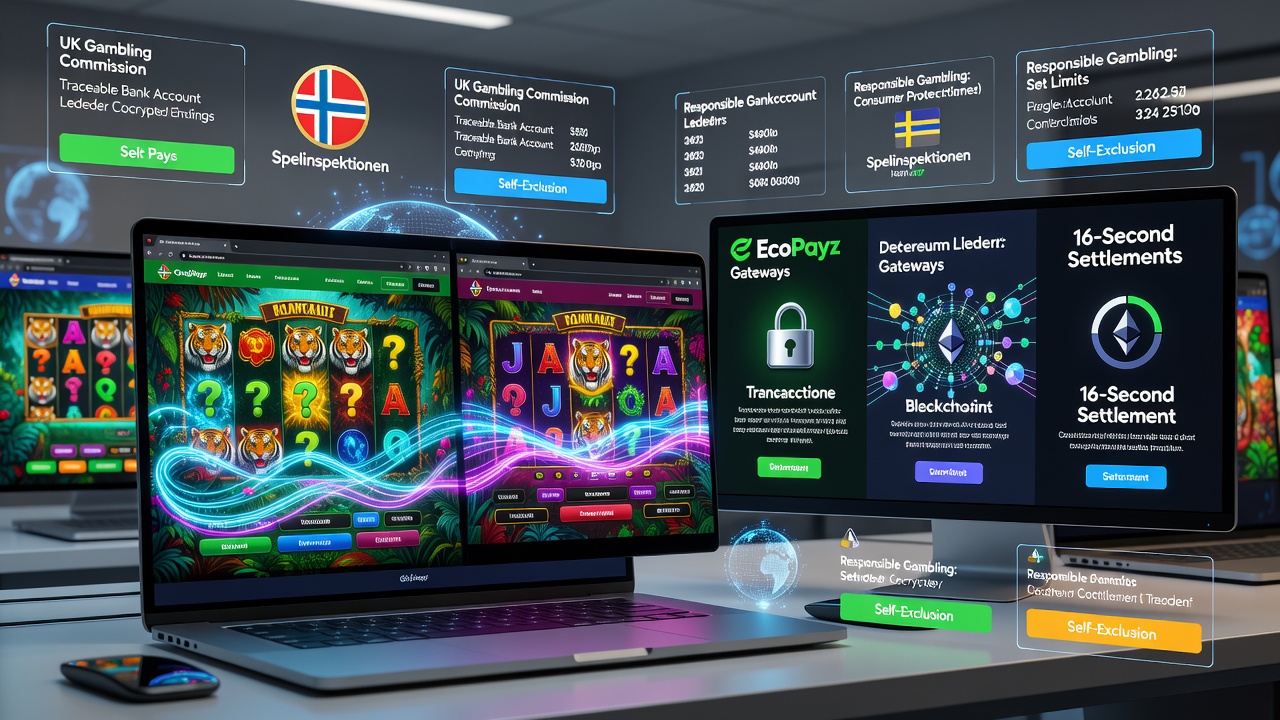
Two years after a site's formation can be a meaningful milestone in online gambling, particularly when an operator shifts from a single-market presence to a broader international footprint. The expansion of a casino's operations to new language markets, paired with a growing menu of payment options, says as much about business strategy as it does about player convenience. These moves sit at the intersection of technology, compliance, and consumer trust, and they deserve scrutiny beyond the marketing copy that usually surrounds them.
Why Market Expansion Matters More Than It Appears
Launching localized websites, such as parallel English and Swedish platforms, is rarely just a translation exercise. Each new market typically brings its own regulatory framework, tax treatment, and expectations around responsible gambling messaging. Operators entering Nordic markets, for instance, face different licensing conditions than those targeting UK players, where oversight has become notably stricter in recent years. A two-year-old platform choosing to localize signals either regulatory confidence or an attempt to diversify revenue away from a single jurisdiction, and the two motivations carry different implications for player protection.
Payment Infrastructure as a Trust Signal
References to verified bank accounts and services like EcoPayz point to a wider trend: payment processing has become one of the clearest indicators of how seriously an operator treats compliance. Verified, traceable payment channels help prevent fraud and support anti-money-laundering checks, but they also protect players by creating an auditable record of deposits and withdrawals. The claim that blockchain-based transactions, such as those on Ethereum, can process in roughly sixteen seconds reflects a genuine technical advantage of certain cryptocurrencies over traditional banking rails, though settlement speed should never be mistaken for a measure of a platform's overall legitimacy or fairness.
Game Mechanics and the Limits of Strategy
Marketing around slot titles frequently emphasizes features like wild symbols, mystery icons, or expanding ways-to-win structures, as seen in games offering dozens of paylines or jungle-themed visuals with ambient sound design. These are legitimate product design elements that shape player experience, but they do not change the underlying mathematics. Slot outcomes are governed by random number generation calibrated to a fixed house edge, meaning no sequence of spins, no matter how dramatic the symbols or bonus rounds, can be reliably predicted or manipulated through player skill or betting patterns. Claims of personal "algorithms" for beating casino games, including those circulated informally through social media, do not hold up against how these systems are built and regulated.
Consumer Protection in a Crowded Market
With thousands of titles available across providers and platforms, players often juggle multiple accounts to access the games or bonuses that interest them, a fragmentation that can make tracking spending harder. This is precisely why reputable review platforms encourage prospective players to examine licensing details, withdrawal terms, and customer support responsiveness before committing funds. Problem gambling research has consistently shown measurable harm extending beyond the individual to families and communities, which is why transparent terms, accessible self-exclusion tools, and honest promotional language matter more than flashy game catalogs or fast payment rails.
- Verified payment channels support fraud prevention and transaction accountability.
- Localized websites often indicate regulatory and market diversification strategies.
- Game features influence engagement but do not alter fixed house-edge outcomes.
- Multiple accounts across platforms can complicate spending oversight for players.